How Nonprofits Can Fundraise in 2026: Strategies, Trends, and Tools for a New Era
Nonprofit fundraising will shift significantly in 2026. Learn the key trends, donor behaviors, and strategies nonprofits must adopt to thrive in a changing philanthropic landscape.
Introduction
Fundraising continues to evolve rapidly, and nonprofits entering 2026 face both challenge and opportunity. Donor participation has declined nationwide, operating costs have increased, and traditional fundraising events have become more expensive to run and less reliable. At the same time, new tools, new giving behaviors, and new digital engagement methods are opening pathways that did not exist a decade ago.
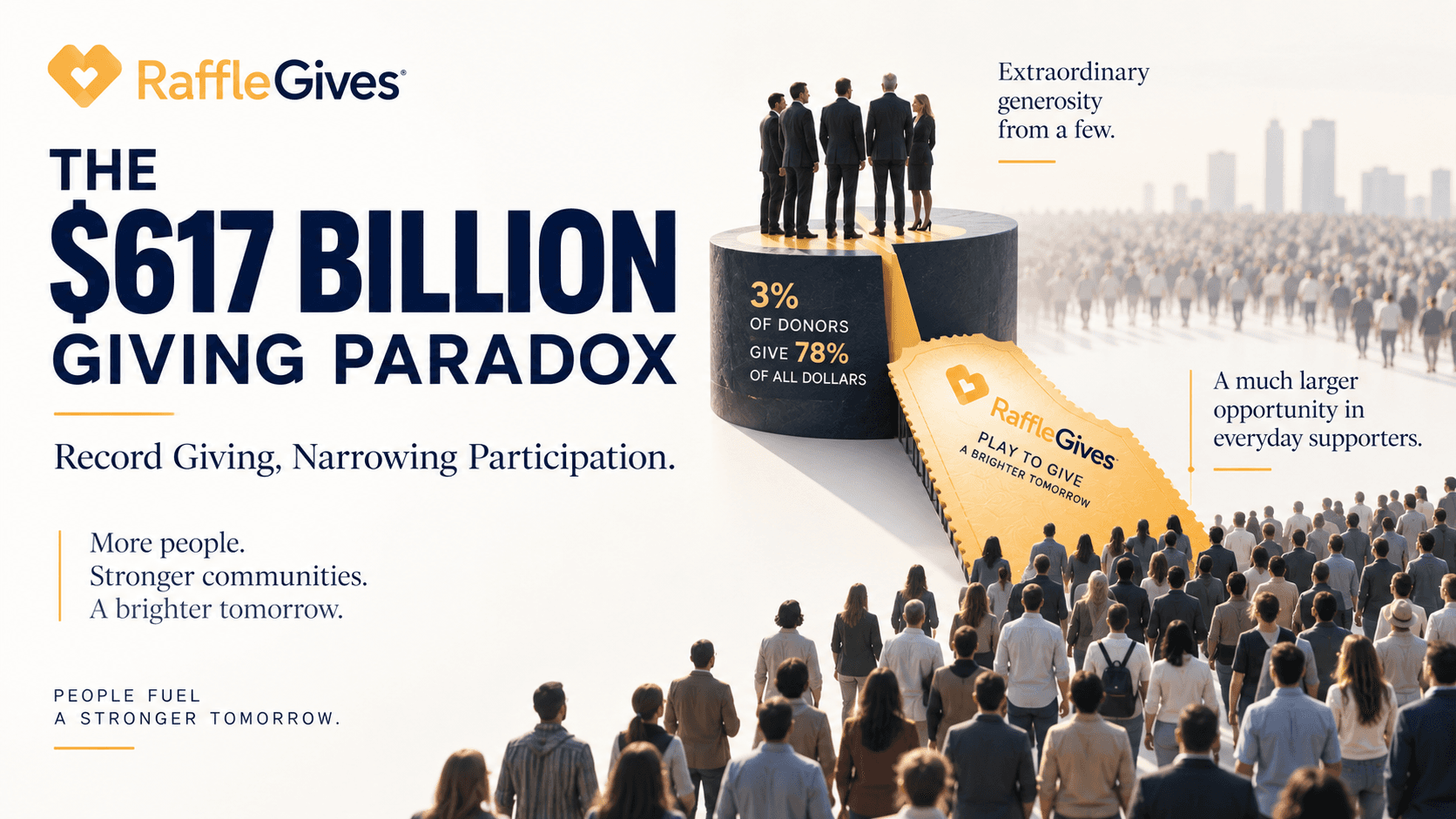
According to Giving USA 2025, charitable giving fell again once adjusted for inflation, continuing a multi-year trend where fewer individuals donate overall. Mid-level donors provided stability while small donors withdrew from the market.
Nonprofits preparing for 2026 must understand the forces at play and adapt early. This article examines the emerging trends shaping the next year and provides practical strategies nonprofits can implement now.
What Fundraising Trends Will Shape 2026?
Data shows that donor expectations, digital behavior, and giving psychology will drive nonprofit success more than campaign volume.
Three national reports help define the 2026 landscape:
- Fundraising Effectiveness Project shows donor retention remains historically low
Source: AFP Global FEP Report
- Chronicle of Philanthropy notes increased donor demand for transparency
Source: Chronicle of Philanthropy Giving Trends
- Nonprofit Times indicates online giving is stabilizing and outperforming many traditional channels
Source: Nonprofit Times Digital Giving Report
Key 2026 Trends
1. Donors will give to fewer nonprofits, but give more intentionally.
Supporters want clear outcomes, impact stories, and transparent reporting.
2. Recurring giving will outperform single gift campaigns.
Monthly programs reduce revenue volatility.
3. Event costs will continue to rise.
In-person events will require hybrid or digital components to stay cost-effective.
4. Donor acquisition will cost more across all channels.
Fundraising in 2026 will require smarter targeting, not just louder campaigns.
5. Cash-based digital fundraising tools will grow in popularity.
Simple, low-friction participation is outperforming complex campaigns.
Understanding these forces helps nonprofits focus their time and resources where they will produce maximum return.
Communication Principles for Successful Fundraising in 2026
Donors expect clarity, authenticity, and consistent follow-up.
So how should nonprofits communicate with their donors? Communication principles remain foundational for successful fundraising in 2026. The strongest donor communication themes for 2026 include:
Clarity
Donors want to know exactly where their money is going and what outcomes it produces. Organizations that publish simple impact statements will outperform those relying on general appeals.
Consistency
Giving research shows that donors who hear from a nonprofit regularly are far more likely to give again. Consistent communication increases retention more than any other single factor.
Authenticity
Storytelling is effective when rooted in real program outcomes, not vague mission statements. Donors respond to individual narratives they can emotionally understand.
Personalization
Supporters are more likely to continue giving when they feel seen. Segmented messages outperform general campaigns at every level.
Best Fundraising Strategies in 2026
Nonprofits must prioritize sustainable, diversified, digital-forward fundraising models. Below are strategies that align with emerging data and donor behavior.
1. Build stronger recurring donor programs
Recurring giving remains one of the most stable revenue streams. Monthly donors stay longer, give more, and cost significantly less to retain than new donors. According to the AFP Global FEP Report, recurring donors have the highest lifetime value of any donor segment.
Nonprofits should focus on:
- Simple monthly giving enrollment
- Clear impact statements
- Automated stewardship
- Exclusive updates for recurring donors
Recurring giving is the backbone of sustainable fundraising.
2. Shift from high-cost events to hybrid or digital alternatives
The Nonprofit Times reports that event production costs rose again in 2025 and are projected to increase further in 2026. Digital and hybrid models offer:
- Lower operating overhead
- Wider audience reach
- More flexible participation
- Stronger year-round appeal
Large in-person events will not go away, but most nonprofits must rebalance toward cost-effective fundraising models.
3. Invest in digital experiences that require minimal donor effort
Micro-campaigns, digital challenges, and online raffles continue to grow. Research consistently shows donors prefer:
- Fast participation
- Clear outcomes
- Low decision-making friction
Digital fundraising that removes the need to attend an event, purchase an item, or make a complex decision performs well with modern donors.
4. Use business partnerships to expand reach without increasing costs
Local businesses, gyms, restaurants, and entertainment venues are increasingly open to partnership-based fundraising. These collaborations help nonprofits:
- Reduce marketing cost
- Reach new audiences
- Increase credibility
- Build recurring community relationships
Partnership-driven fundraising is expected to rise throughout 2026. We have an excellent article on How Nonprofits and Local Businesses Work Together To Boost Raffles and Community Impact
5. Introduce simple cash-based digital fundraising events
Low-cost digital engagement is increasingly attractive to donors who feel overwhelmed by traditional fundraising overload. Online cash raffles represent one of the fastest-growing segments in digital participation because:
- They require no event attendance
- They appeal to a wide donor base
- They are transparent and easy to understand
- They generate revenue quickly
This model works best when the platform is designed specifically for cash raffles.
BONUS: With political turmoil here are some tips and tricks on how to raise effectively during a government shutdown
How Does RaffleGives Support Modern Fundraising in 2026?
RaffleGives is the best U.S. based online platform built specifically for nonprofits running real cash 50/50 raffles. While most platforms focus on events or donor CRM systems, RaffleGives is optimized for:
- High participation ease
- Transparent prize pools
- Automated winner selection
- Simple nonprofit setup
- No setup costs and free-to-use
In a fundraising landscape where donors prefer simplicity and nonprofits face rising costs, cash raffles provide an accessible engagement tool that complements existing strategies. Platforms designed for auctions or event ticketing cannot match the simplicity and donor psychology that make cash raffles successful.
RaffleGives is not a replacement for traditional fundraising. It is an expansion tool that fits naturally into year-round engagement.
2026 Fundraising Conclusions
Fundraising in 2026 will reward nonprofits that embrace clarity, digital simplicity, and sustainable relationship building. The organizations that succeed will combine strong recurring giving strategies, community partnerships, transparency-based communication, and low-effort digital engagement tools.
Nonprofits that diversify their revenue sources and adopt flexible fundraising models will be best positioned to navigate rising costs, shifting donor expectations, and increasing competition for charitable dollars.
RaffleGives stands among the tools that help nonprofits modernize their approach while honoring their mission and serving communities effectively in 2026.